
Connection at work: How shared workplaces can support well-being
Remote work can offer welcome flexibility, but it can also make the workday feel smaller. When every conversation takes place through a screen and every task happens in the same room, professionals may miss the casual interactions and changes of setting that once happened naturally.
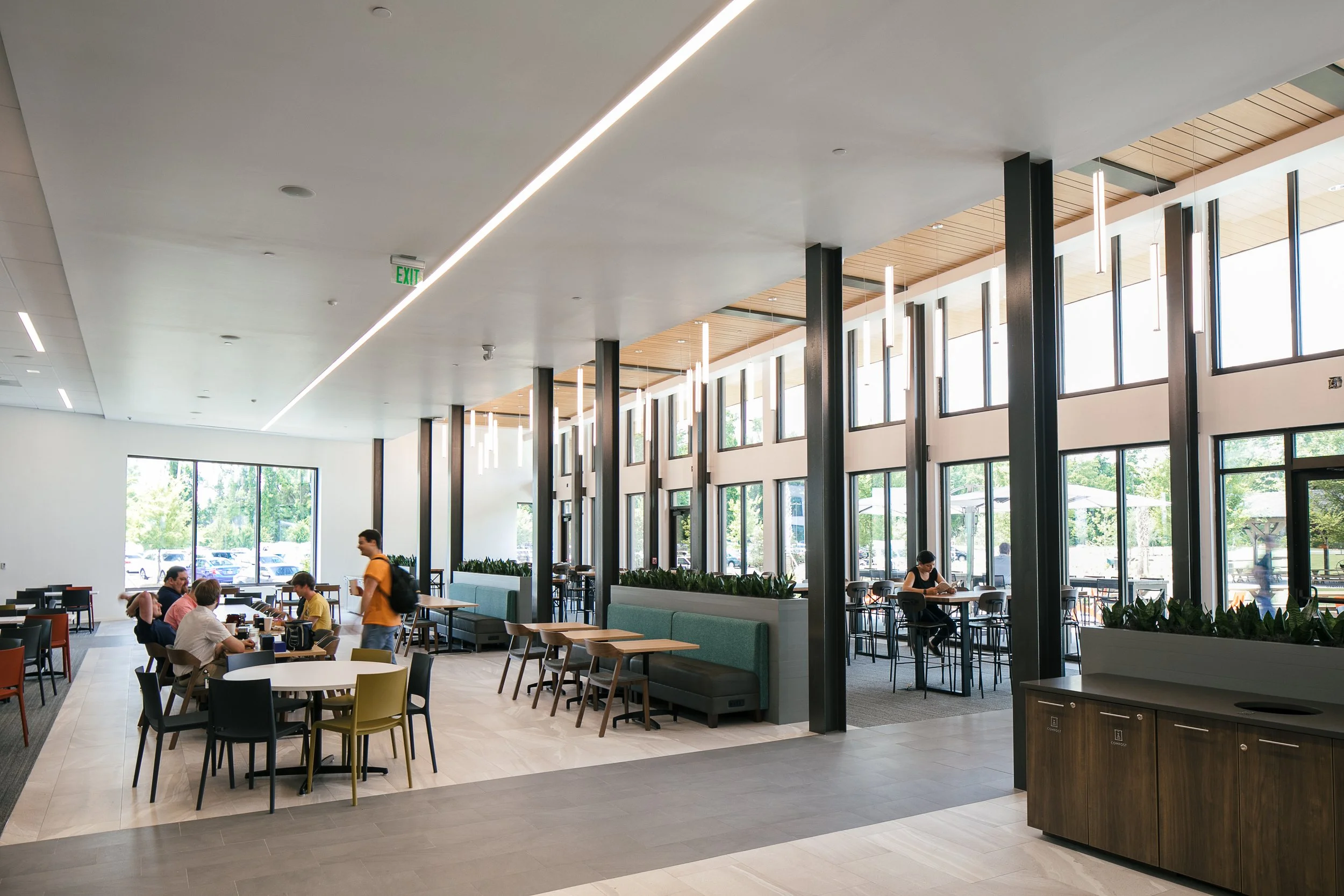
A shared workplace can support a healthier work rhythm. Coworking space at 65 Fairchild gives professionals on Daniel Island a place to focus, encounter other people, and move through different environments over the course of a day.
Everyday interaction without a crowded calendar
Not every valuable workplace connection needs to be a scheduled networking event. A greeting in the hallway, a brief conversation over coffee, or seeing familiar faces can add a sense of community to the day. These moments are especially meaningful for independent professionals, remote employees, and small teams who may otherwise work alone.
Coworking allows that contact to happen naturally. You can engage when it is helpful, then return to a private office or focused task when the work calls for concentration.
Routine can create useful boundaries
A consistent place to work can bring structure to days that might otherwise blur together. Commuting to a professional workspace signals the start of the workday; leaving it creates a natural stopping point. That separation can support clearer boundaries between professional responsibilities and personal time.
The physical setting matters, too. Moving from an office to a conference room, café, gym, or outdoor area introduces small shifts in environment. Those transitions can help break up long periods at a desk and make the day feel less repetitive.
Privacy and community can coexist
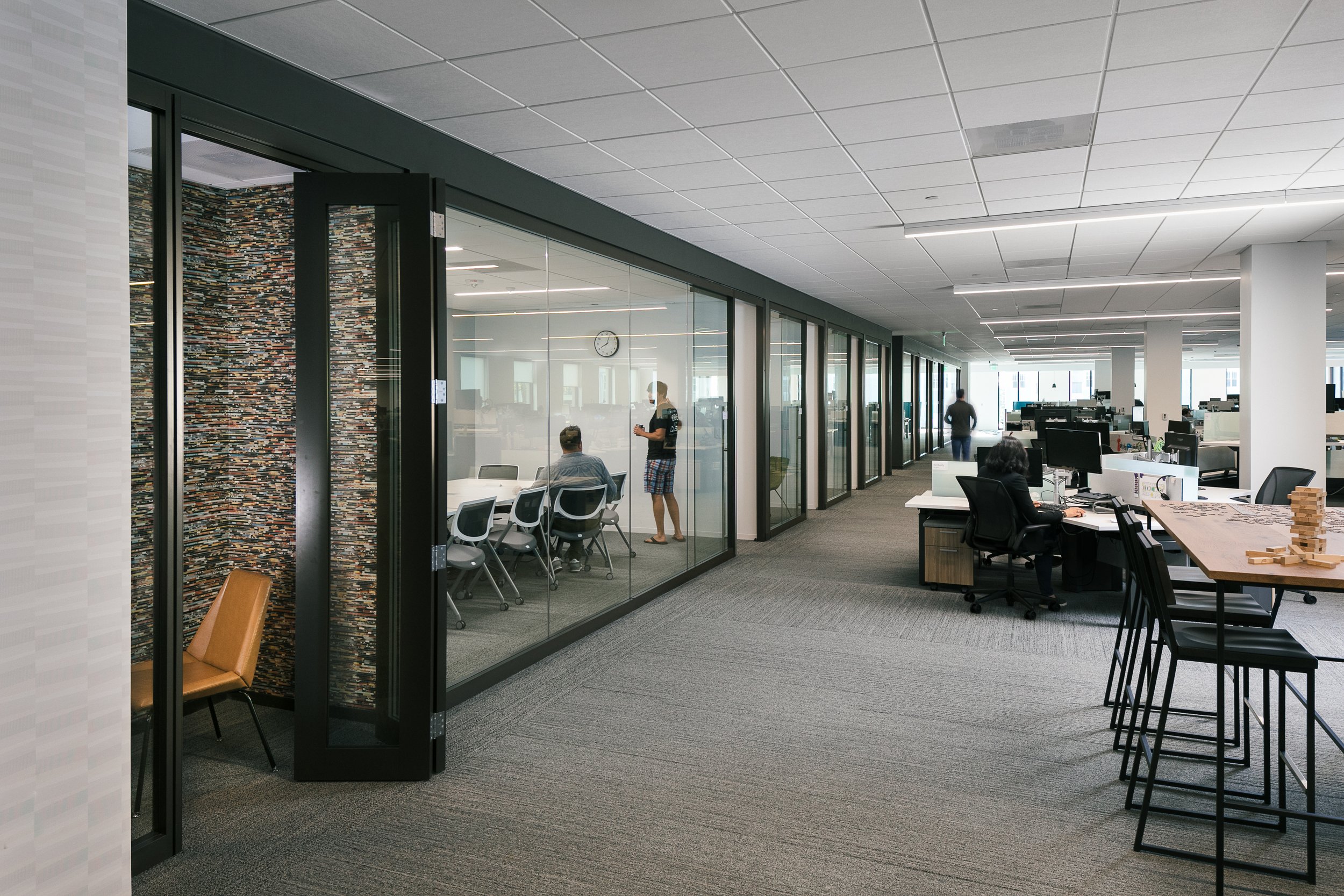
Choosing a coworking environment does not mean giving up quiet or confidentiality. At 65 Fairchild, dedicated private offices offer space for focused work and sensitive calls, while shared amenities make connection available nearby. Professional meeting rooms also give teams and clients an appropriate setting to gather.
The goal is not constant interaction. It is having options: privacy when you need to concentrate, people around when you want connection, and purposeful spaces that support the work in front of you.